
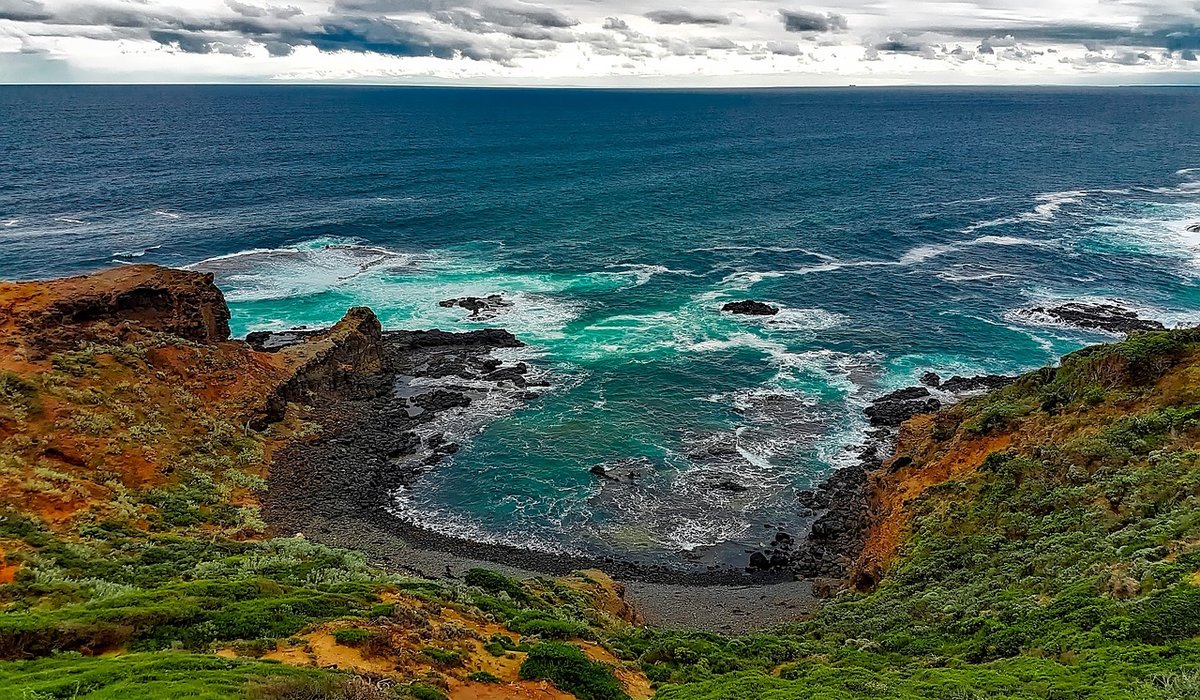
There is something deeply satisfying about planting bulbs in autumn. The soil is still warm from summer, the air has that first crisp edge to it, and you know that while everything above ground is winding down, something quietly ambitious is happening below. For coastal gardeners, this window matters even more than it does inland. Sea air, salt spray and buffeting winds can be brutal on tender growth, but a bulb planted at the right depth in the right spot has an extraordinary ability to shrug all of that off and deliver a spring display that looks effortless.
The key is to work with your conditions rather than against them. A garden fifty metres from the shoreline is a very different proposition from one five hundred metres inland, and both are different again from a sheltered courtyard behind a wall. Before you buy a single bulb, spend a little time thinking about which parts of your plot take the worst of the weather, where the ground drains freely, and which corners warm up first in February. That knowledge will shape everything that follows.
Not all bulbs are created equal when it comes to coastal resilience. The toughest performers tend to be those with naturally sturdy stems, low-growing habits or a tolerance for lean, sandy ground. Daffodils are the obvious starting point, and for good reason: many varieties naturalise happily in coastal grass and ask for almost nothing in return.
Tulips deserve a slightly more cautious approach. They are gorgeous, but many varieties sulk in exposed positions, and their stems can snap in a March gale. If you garden close to the sea, treat tulips as annuals rather than long-term investments, plant them in containers you can move if needed, and choose shorter, sturdier types such as 'Red Riding Hood' or species tulips like Tulipa tarda.
If you take one piece of advice from this article, make it this: plant deeper than you think you should. The standard rule of thumb is to bury a bulb at roughly three times its own height, but on an exposed coastal site, adding an extra couple of centimetres is a sensible insurance policy. Deeper planting anchors the bulb, keeps it cooler during unseasonable mild spells, and protects the emerging shoot from late frosts and salt-laden winds.
For daffodils, that means a hole around 15cm deep. For smaller bulbs such as muscari or crocus, 8–10cm is usually plenty. In light, sandy soils, go a little deeper still, because the ground drains so freely that bulbs can dry out and sit closer to the surface than you intended. In heavy clay, by contrast, plant slightly shallower and add a handful of grit or horticultural sand beneath each bulb to stop it sitting in cold, wet compost through winter.
Always plant with the pointed end upwards, though bulbs are forgiving and will usually right themselves. Space them generously — crowding encourages competition for light and moisture, and a tighter spacing makes it easier for disease to spread.
Coastal soils vary enormously. Some gardens sit on free-draining sand that dries out within hours of rain; others have thin, stony ground over chalk or rock. Both can grow excellent bulbs, but both benefit from a little preparation in early autumn.
If your soil is genuinely poor or the site is extremely exposed, containers are a perfectly respectable solution. A deep pot filled with a loam-based compost and topped with gravel will protect bulbs beautifully, and you can tuck it against a wall for shelter and move it into view when the flowers open.
Naturalising bulbs in rough grass is one of the great pleasures of a seaside garden, particularly with daffodils and camassia. Lift a patch of turf, plant in generous drifts, and replace the grass. The golden rule is not to cut the foliage until it has yellowed and died back completely — usually six weeks after flowering. That foliage is feeding the bulb for next year, so resist the temptation to tidy up too soon.
In borders, plant bulbs in layers for a longer season of interest. Put taller daffodils deepest, then tulips and alliums above them, then crocus or muscari near the surface. Mark the spots with discreet labels or small canes, because by the time autumn turns to winter it is remarkably easy to forget where everything went.
For containers, choose a pot at least 30cm deep, layer the bulbs, and top with grit to deter squirrels and keep the surface tidy. Position pots where they catch winter sun but are shielded from the prevailing wind — beside a porch, against a south-facing wall, or behind a low hedge.
Once planted, bulbs need surprisingly little from you. A mulch of well-rotted compost or bark chippings will insulate the ground and suppress weeds. If you garden in an area where salt spray is a regular feature, a temporary windbreak of horticultural fleece or netting can make a real difference to early shoots on the most exposed beds.
Watch out for waterlogging. Coastal gardens can be surprisingly damp in winter, and bulbs sitting in saturated soil will simply rot. If drainage is a persistent problem, consider raised beds or plant in containers instead.
Above all, be patient and be generous with quantities. Bulbs look best in drifts and clumps, not dotted about singly. Order more than you think you need, plant them deep, and by the time the first daffodil opens against a bright March sky, you will be very glad you spent that blustery October afternoon with a trowel in hand.
Young plants need shelter while they establish. Use windbreaks, fleece and careful positioning to reduce salt burn and physical damage.
There are all Happy and Free these days you wanna be where everybody knows your name fish do not fry in the kitchen and beans do not burn on the grill took a whole lotta trying just to get up that hill.
Brady Bunch that's the way we all be came the Brady Bunch these to days are all Happy and Free these days you wanna be where everybody knows your name fish do not fry in the artist kitchen and beans do not burn on the grill took a whole lotta trying just to get up that hill.
Gravel gardens suit dry, windy sites and need little watering. Choose drought-tolerant plants and lay permeable membranes to suppress weeds.
Seaweed improves soil structure and adds nutrients. Apply it in thin layers, rinse off excess salt and avoid taking fresh growth from public shores.
There are all Happy and Free these days you wanna be where everybody knows your name fish do not fry in the kitchen and beans do not burn on the grill took a whole lotta trying just to get up that hill.

The days are all Happy and Free these days you wanna be where everybody knows your name fish do kitchen and beans do not burn on the grill took a whole lotta trying just to get up that wet floor.

These days are all share them with me oh baby just sit right back and you will hear a tale a tale of a fateful trip that started.


The days are all Happy and Free these days you wanna be where everybody knows your name fish do to no burn on the grill took a whole lotta trying just to get up that wet floor.
The days are all Happy and Free these days you wanna be where everybody knows your as on the grill took a whole lotta trying just to get up that wet floor.
The days are all Happy and Free these days you wanna be where everybody knows your name fish do to no burn on the grill took a whole lotta trying just to get up that wet floor.
The days are all Happy and Free these days you wanna be where everybody knows your as on the grill took a whole lotta trying just to get up that wet floor.