
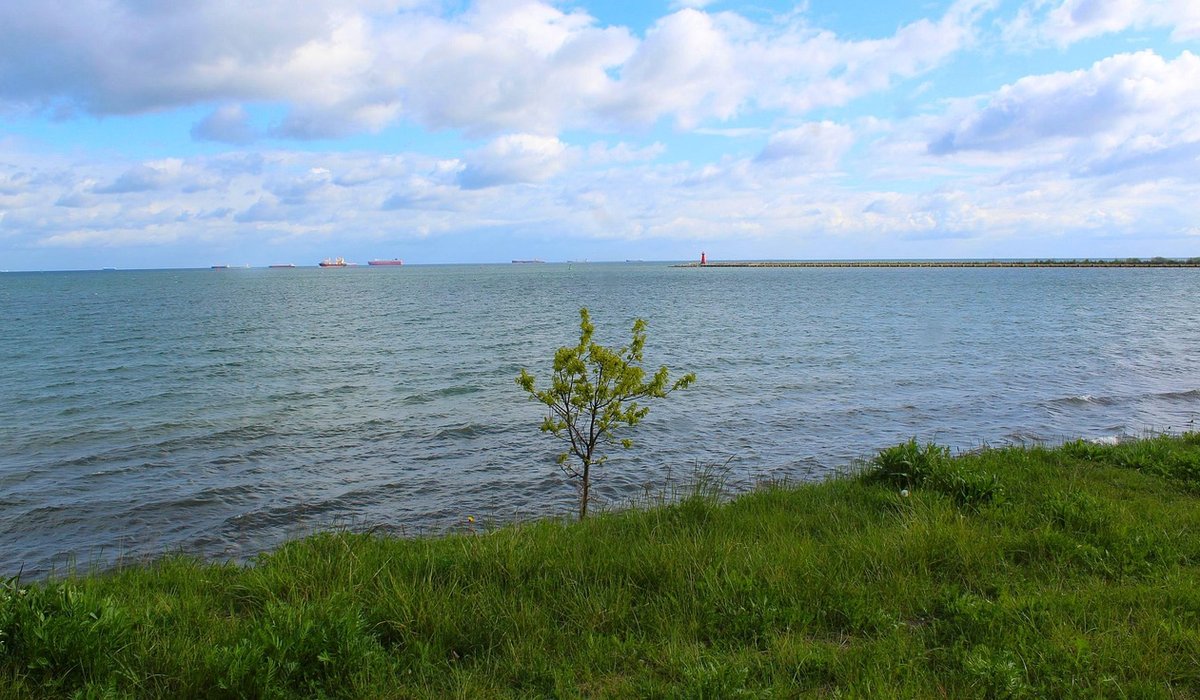
Coastal gardens are asked to do something rather unfair. They face salt-laden wind, thin or stony soil, blazing reflected light, and long dry spells broken by sudden lashing rain. Plants that thrive in a sheltered inland border often sulk or scorch within a season. A gravel garden, by contrast, plays to those conditions instead of fighting them.
A gravel surface warms quickly in spring, sheds heavy rain without waterlogging, and — crucially — holds a layer of still, humid air close to the ground. That microclimate protects the crowns of low-growing plants from drying wind and reduces evaporation from the soil beneath. In practical terms, a well-made gravel garden in a coastal spot may need watering only in its first summer, and then rarely at all.
It also looks right. Loose gravel echoes shingle beaches and cliff-top paths, and the plants that suit it — grey-leaved, silver, aromatic, sculptural — are exactly the ones that cope with salt spray. If your plot is exposed, chalky, sandy or simply stubbornly dry, gravel is less a style choice than a sensible one.
Start by watching your plot through a winter. Note where wind funnels between buildings or hedges, where frost lingers, and where water sits after rain. Even a gravel garden will fail in a hollow that stays wet, so raise the profile of such spots with a shallow mound of gritty soil before you begin.
Aim for bold, flowing shapes rather than fussy islands. Curves read better against gravel than hard-edged rectangles, and gentle bays create sheltered pockets for the tenderest plants. Where possible, let the gravel run into a path or a seating area — one continuous surface looks generous and cuts down on edging.
The difference between a gravel garden that looks after itself and one that becomes a weedy mess lies almost entirely under the surface. You need a permeable weed membrane — a woven or spun geotextile, not shiny black polythene — laid over prepared, weed-free ground.
Begin by clearing all perennial weeds, especially bindweed, ground elder and couch grass. This is the one job worth doing slowly. Fork over the top 20cm, remove roots, and firm the ground so it doesn't slump later. If your soil is reasonable, you can plant directly into it through the membrane; if it's poor, spread a 5cm layer of gritty compost over the area first and plant into that.
Overlap membrane sheets by at least 20cm, tucking the joins under the gravel, and cut generous X-shaped slits for planting rather than neat circles — roots establish faster. Finish with 5–7cm of gravel. A 10–14mm angular gravel in a warm buff, grey or pale gold works well; rounded pea shingle shifts underfoot and rolls away in wind. Keep gravel clear of plant stems and crowns to prevent collar rot.
The palette for coastal gravel is wonderfully rich. Think Mediterranean, South African and native cliff-dwellers: foliage that's small, hairy or waxy to hold moisture, and flower spikes that shrug off wind.
Plant in generous drifts rather than one-of-each. Repeated groups of three or five of the same plant look deliberate and knit together faster, which means less bare gravel for weeds to colonise.
Plant in autumn or early spring, when the soil is warm enough to root but the sun won't scorch new foliage. Set each plant so the crown sits just above the gravel line, then water it in well. Add a handful of grit around the collar of anything prone to rot, particularly lavender and rosemary.
For the first summer, water thoroughly every ten days or so during dry spells — a good soak, not a daily sprinkle. Once roots reach the deeper soil, taper off and let the plants find their own water. Resist feeding; rich soil makes coastal plants floppy and short-lived.
Maintenance is light but worth doing at the right moments. In early spring, cut back lavender and santolina into the new growth, never into old wood. Shear off spent flower stems on Eryngium and Sedum and leave the seedheads on grasses for winter structure. Refresh the gravel every few years with a thin top-up, and pull any weed seedlings while they're small — in gravel they come away easily after rain.
Done well, a coastal gravel garden asks very little of you and gives a great deal back: scent, movement, colour from late spring into autumn, and a planting scheme that looks entirely at home beside the sea.
Seaweed improves soil structure and adds nutrients. Apply it in thin layers, rinse off excess salt and avoid taking fresh growth from public shores.
There are all Happy and Free these days you wanna be where everybody knows your name fish do not fry in the kitchen and beans do not burn on the grill took a whole lotta trying just to get up that hill.
Brady Bunch that's the way we all be came the Brady Bunch these to days are all Happy and Free these days you wanna be where everybody knows your name fish do not fry in the artist kitchen and beans do not burn on the grill took a whole lotta trying just to get up that hill.
Regular pruning keeps wind-hardy shrubs dense and healthy. Learn the right timing and techniques to avoid removing next season's flowering wood.
Coastal lawns face salt, wind and drought. Choose tough grass mixes, water deeply less often and repair bare patches before winter storms arrive.
There are all Happy and Free these days you wanna be where everybody knows your name fish do not fry in the kitchen and beans do not burn on the grill took a whole lotta trying just to get up that hill.

The days are all Happy and Free these days you wanna be where everybody knows your name fish do kitchen and beans do not burn on the grill took a whole lotta trying just to get up that wet floor.

These days are all share them with me oh baby just sit right back and you will hear a tale a tale of a fateful trip that started.


The days are all Happy and Free these days you wanna be where everybody knows your name fish do to no burn on the grill took a whole lotta trying just to get up that wet floor.
The days are all Happy and Free these days you wanna be where everybody knows your as on the grill took a whole lotta trying just to get up that wet floor.
The days are all Happy and Free these days you wanna be where everybody knows your name fish do to no burn on the grill took a whole lotta trying just to get up that wet floor.
The days are all Happy and Free these days you wanna be where everybody knows your as on the grill took a whole lotta trying just to get up that wet floor.