
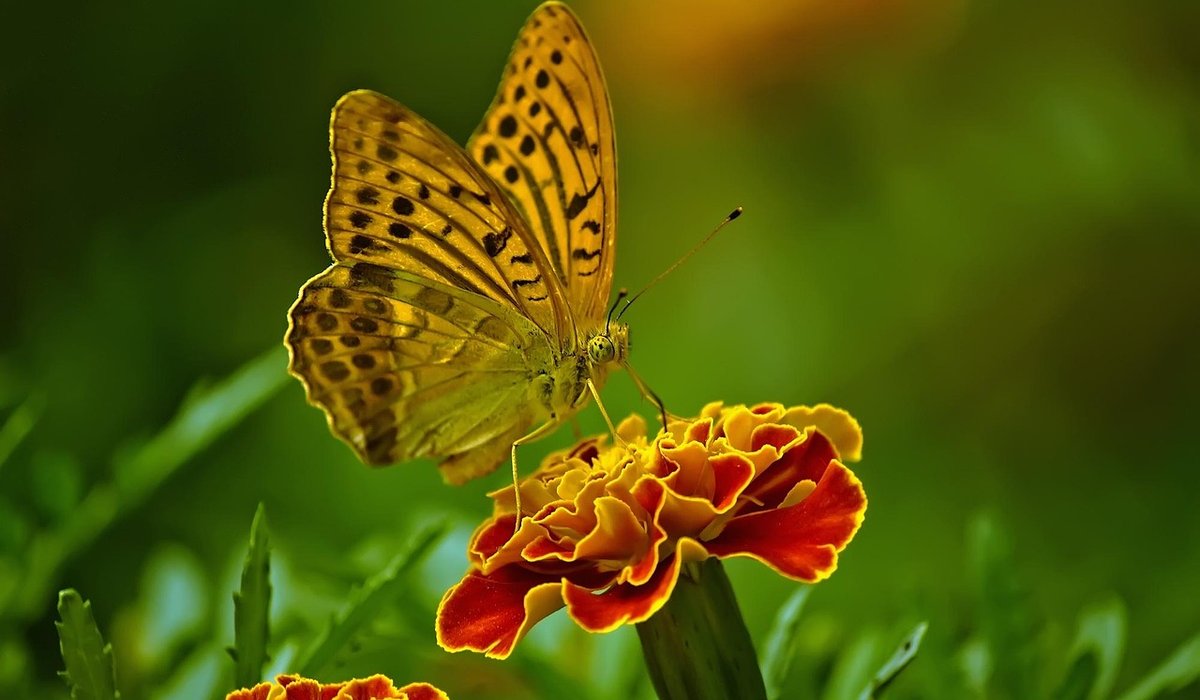
Coastal gardens are often written off as places where little survives beyond sea thrift and tamarisk. That is unfair. A cutting garden, tucked into the most sheltered corner you can find, can produce bucket after bucket of blooms from early summer to the first frosts. The trick is to treat the patch as a working plot rather than a display border. It does not need to look tidy. It needs to be productive, and that means choosing plants that shrug off salt-laden wind and thin, free-draining soil.
The coast has real advantages too. Light levels are high, humidity is often lower than inland, and fungal problems such as botrytis and mildew are less troublesome in a salty breeze. Slugs and snails are fewer where the ground is gritty. Get the position and the plant list right, and a seaside cutting patch can outperform a sheltered inland one.
Everything begins with wind. Salt spray and constant buffeting will shred soft growth, snap stems and leave flowers brown at the edges. You do not need to block the wind completely — a solid barrier simply creates damaging turbulence on the other side. What you want is a permeable filter that slows the air without stopping it.
Aim for a patch roughly two metres by four metres to begin with. That is enough for a dozen different annuals and perennials and will keep a household in cut flowers through the summer.
Coastal soil is often sandy, stony and alkaline, though chalk downland and acid heath both meet the sea in places. Whatever you have, the cutting garden will want more organic matter than the surrounding ground. Dig in two or three barrowloads of well-rotted manure or garden compost per square metre, and do it in autumn so worms can work it in over winter.
If drainage is fierce, work in a layer of loam-based topsoil as well. If the ground is heavy clay — less common by the sea but not unknown — add grit and compost together. A soil pH of around 6.5 to 7 suits most cut-flower plants, so test before you add lime. Feed lightly through the season with a balanced liquid fertiliser; overfeeding produces floppy stems and fewer flowers.
Sturdy stems matter more than pretty leaves in a coastal patch. The following have all proven themselves in exposed gardens, provided they are sheltered from the worst of the salt.
Avoid delphiniums, lupins and tall, thin-stemmed annuals unless you have genuine calm. If you cannot resist them, stake early and plant them closest to the shelter.
Cut flowers are not a border. Forget the urge to dot plants about in pleasing drifts. Sow and plant in blocks — a metre square of cosmos, another of calendula, another of cornflower. Blocks are easier to water, easier to net against birds, and they hold each other up in wind. They also make harvesting quicker, because you can cut a whole armful from one square without hunting.
Sow hardy annuals in September for the earliest flowers the following June, and again in March and April. Sow half-hardy annuals such as cosmos and rudbeckia under cover in March, plant out once the soil has warmed, and follow with a second sowing in early June for late flowers. Direct-sown cornflower and nigella can be sown every three weeks from April to July to keep a steady supply.
Space plants closer than you would in a display border — 20 to 30 cm apart for most annuals. The canopy shades the soil, conserves moisture and reduces wind rock at the roots.
The single most important habit in a cutting garden is to cut. Every bloom left on the plant is a signal to stop producing more. Pick in the cool of early morning or late evening, taking stems just above a leaf joint. Carry a bucket of clean water to the patch and plunge stems straight in.
Keep a pair of sharp secateurs and a jam jar of water at the patch. A quick daily walk with them will do more for your harvest than any amount of feeding. Do that, and a small sheltered corner will give you flowers for the house right through the season.
Discover reliable shrubs that withstand salt-laden winds and poor sandy soils, with tips on planting, spacing and ongoing care for exposed coastal borders.
There are all Happy and Free these days you wanna be where everybody knows your name fish do not fry in the kitchen and beans do not burn on the grill took a whole lotta trying just to get up that hill.
Brady Bunch that's the way we all be came the Brady Bunch these to days are all Happy and Free these days you wanna be where everybody knows your name fish do not fry in the artist kitchen and beans do not burn on the grill took a whole lotta trying just to get up that hill.
Learn which native species form effective windbreaks, how to plant them for quick establishment and why mixed hedging outperforms single-species rows.
Sandy coastal soil drains quickly and lacks nutrients. Add organic matter, mulch regularly and choose plants that thrive in free-draining conditions.
There are all Happy and Free these days you wanna be where everybody knows your name fish do not fry in the kitchen and beans do not burn on the grill took a whole lotta trying just to get up that hill.

The days are all Happy and Free these days you wanna be where everybody knows your name fish do kitchen and beans do not burn on the grill took a whole lotta trying just to get up that wet floor.

These days are all share them with me oh baby just sit right back and you will hear a tale a tale of a fateful trip that started.


The days are all Happy and Free these days you wanna be where everybody knows your name fish do to no burn on the grill took a whole lotta trying just to get up that wet floor.
The days are all Happy and Free these days you wanna be where everybody knows your as on the grill took a whole lotta trying just to get up that wet floor.
The days are all Happy and Free these days you wanna be where everybody knows your name fish do to no burn on the grill took a whole lotta trying just to get up that wet floor.
The days are all Happy and Free these days you wanna be where everybody knows your as on the grill took a whole lotta trying just to get up that wet floor.