
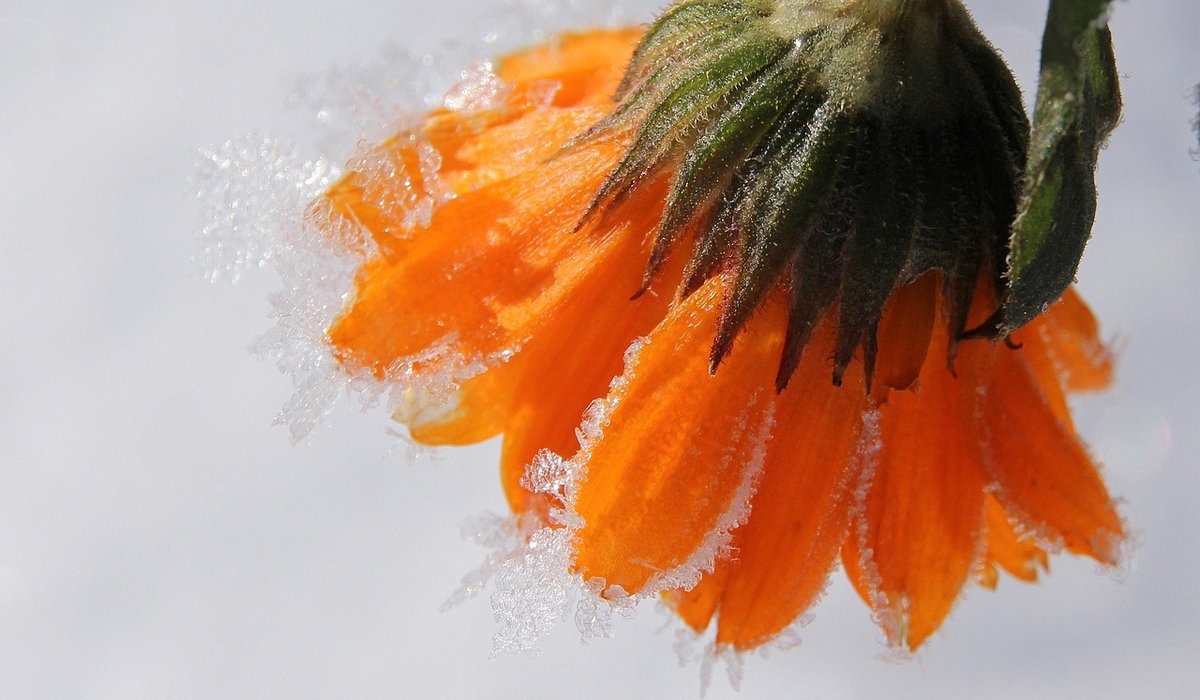
Seaside gardens are glorious but brutal. Salt-laden wind, thin free-draining soil, blazing exposure and summer drought all conspire against the plants we love. Species that evolved on our own coastline — sea thrift, sea campion, wild carrot, marram grass — already know how to cope. They have spent millennia on dunes, shingle and cliff ledges, so they take salt burn, wind pruning and dry roots in their stride. They also knit into local food webs: our bees, butterflies and birds evolved alongside them and depend on them in ways many garden-centre favourites simply cannot match.
None of that means a native-only garden. A pure wildflower plot can look tired by late August and offers little in winter. The trick is to use natives as the resilient backbone of the design, then layer in ornamental coastal plants — lavender, cistus, olearia, grasses — for structure, colour and a longer season. The result looks deliberate rather than unkempt, and holds up far better when a south-westerly gale arrives in February.
Coastal gardens vary enormously within a few hundred metres, and the difference decides what will survive. Take an hour to assess the following before you spend a penny on plants.
Walk your nearest stretch of coast path and note what grows unhelped. That is your free plant list, and a far better guide than any label.
These are the workhorses — tough, attractive and locally appropriate across most of the UK coast.
Design is where natives stop being a wildflower list and start being a garden. Use them for repetition and ground cover, and bring in ornamentals for punch. Thrift with lavender gives you weeks of colour from one low matrix. Sea campion with cistus works beautifully on a sunny bank. Marram repeated through a border anchors softer grasses such as Stipa tenuissima, while sea kale earns its place beside euphorbia and phormium as a sculptural accent.
Silver and grey foliage is the coastal designer's best friend: it reflects light, tolerates salt and pulls the whole palette together. Plant in bold drifts rather than ones and twos — isolated plants get battered and look lost — and repeat just three or four species through the bed. For evergreen structure, rosemary, hebe, escallonia and olearia are hard to beat, and a clipped hedge of any of them will shelter everything behind it.
Plan your planting as a calendar so something is always working. Gorse scents the garden from late winter and feeds the first bees. Thrift follows from April, sea campion carries on into August, viper's bugloss and sea lavender take you through to September, and sea buckthorn berries feed fieldfares and redwings in October. Seedheads left standing catch the low winter sun and provide shelter for overwintering insects.
Resist the urge to tidy in autumn. Cut back in late February or March instead, once the worst of the weather has passed and wildlife has emerged. Leave a few stems longer, let the grasses stand, and you will find that a seaside garden built on natives needs less watering, less feeding and less replacing — while looking, if anything, more characterful for it.
A sheltered cutting patch provides blooms for arrangements. Choose wind-resistant annuals and perennials, plant in blocks and harvest regularly to prolong flowering.
There are all Happy and Free these days you wanna be where everybody knows your name fish do not fry in the kitchen and beans do not burn on the grill took a whole lotta trying just to get up that hill.
Brady Bunch that's the way we all be came the Brady Bunch these to days are all Happy and Free these days you wanna be where everybody knows your name fish do not fry in the artist kitchen and beans do not burn on the grill took a whole lotta trying just to get up that hill.
Discover reliable shrubs that withstand salt-laden winds and poor sandy soils, with tips on planting, spacing and ongoing care for exposed coastal borders.
Learn which native species form effective windbreaks, how to plant them for quick establishment and why mixed hedging outperforms single-species rows.
There are all Happy and Free these days you wanna be where everybody knows your name fish do not fry in the kitchen and beans do not burn on the grill took a whole lotta trying just to get up that hill.

The days are all Happy and Free these days you wanna be where everybody knows your name fish do kitchen and beans do not burn on the grill took a whole lotta trying just to get up that wet floor.

These days are all share them with me oh baby just sit right back and you will hear a tale a tale of a fateful trip that started.


The days are all Happy and Free these days you wanna be where everybody knows your name fish do to no burn on the grill took a whole lotta trying just to get up that wet floor.
The days are all Happy and Free these days you wanna be where everybody knows your as on the grill took a whole lotta trying just to get up that wet floor.
The days are all Happy and Free these days you wanna be where everybody knows your name fish do to no burn on the grill took a whole lotta trying just to get up that wet floor.
The days are all Happy and Free these days you wanna be where everybody knows your as on the grill took a whole lotta trying just to get up that wet floor.