
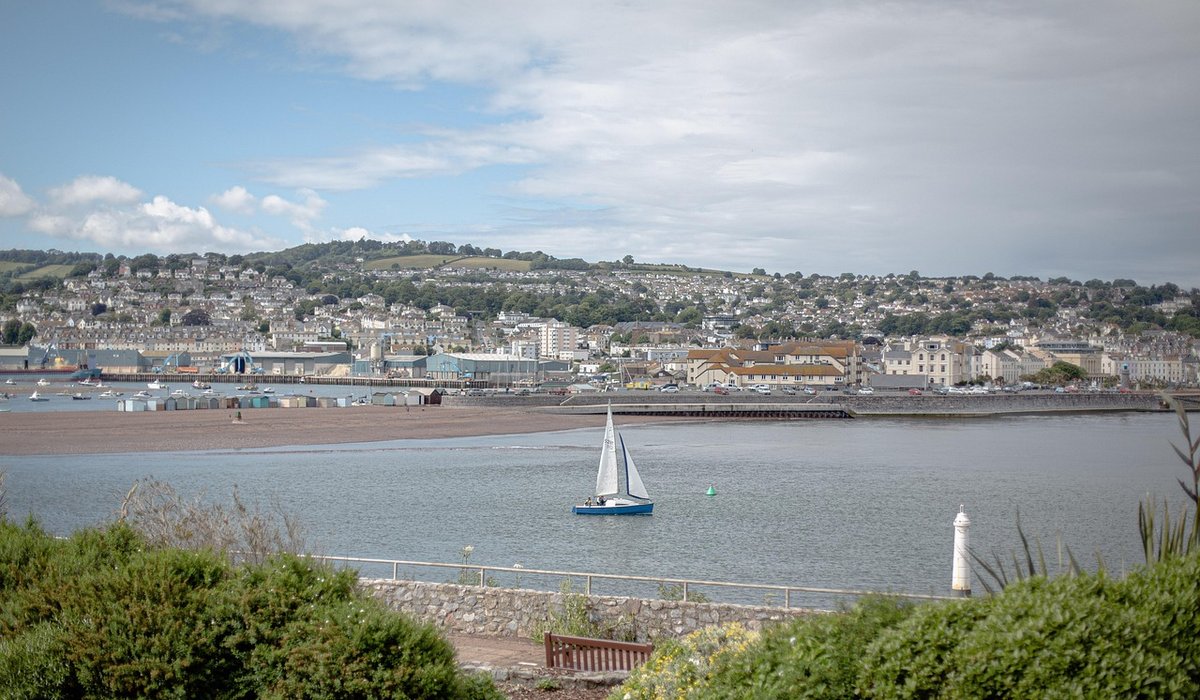
Gardening by the sea is a strange bargain. You get light that seems to last forever, mild winters that would make an inland grower jealous, and air so clean it practically sparkles. What you also get is salt, wind, and a growing season that can be cut short by a single gale in late May. Fruit trees feel all three.
Salt is the sneaky one. It blows inland on the wind, settles on buds and leaves, and burns the tender new growth that appears in spring. Wind is more obvious: it rocks young trees, snaps brittle branches, and strips blossom before pollinators have had a chance to do their work. And the mildness that helps you can also hurt you, because fruit trees that flower early are exactly the ones most likely to be caught out by a cold snap rolling in off the sea.
None of this means you cannot grow fruit on the coast. It means you choose carefully, plant thoughtfully, and treat shelter as the single most valuable thing you can give a tree.
The first rule is to pick cultivars with late flowering and good wind tolerance. Early-flowering varieties such as many dessert apples and most sweet cherries are a gamble on an exposed site, however tempting they look in the catalogue.
Apples are the backbone of most coastal orchards. Look for Egremont Russet, Ashmead's Kernel and Annie Elizabeth, all of which crop reliably in breezy spots. Cooking apples tend to be tougher still, and a well-grown Bramley on a vigorous rootstock will shrug off more weather than most.
Pears are worth trying in milder coastal areas, particularly Conference and Concorde, though they flower early and benefit from a warm wall. Plums and damsons are excellent choices: Victoria is almost indestructible, and damson trees are famously happy on windswept hillsides.
Rootstock matters too. Dwarfing rootstocks such as M27 or M9 produce small trees that are easy to shelter, while semi-vigorous types like MM106 anchor better in thin, sandy soil. On the coast, I would nearly always choose the more vigorous option and keep it pruned to size.
Windbreaks are not optional here; they are the foundation of the whole plot. A solid wall or fence is actually a poor choice, because it creates vicious turbulence on the leeward side. What you want is something around half permeable: a hedge, a slatted fence, or a row of robust shrubs that filters the wind rather than blocking it.
Good coastal hedging plants include hawthorn, sea buckthorn, blackthorn, griselinia in milder areas, and escallonia where the salt is less fierce. Plant your windbreak before your fruit trees, and give it a season or two to knit together. The difference in growth on the sheltered side is remarkable.
If your garden is small, you can create shelter at tree level instead. Train apples or pears as espaliers or fan-trained trees against a south- or west-facing wall. The wall stores heat during the day and releases it at night, which protects blossom and helps fruit ripen. Cordons along a fence line are another neat trick, giving you several varieties in the space of one ordinary tree.
Autumn planting suits coastal gardens best, as long as the ground is not waterlogged. The soil is still warm, roots settle in before winter, and the tree has a head start in spring. Avoid planting into pure sand without improvement: dig in plenty of well-rotted compost or manure, along with a handful of seaweed meal if you can get it.
Stake firmly but not rigidly. A short stake that allows the trunk to flex slightly encourages stronger roots. Mulch around the base with bark or compost, keeping it clear of the trunk itself, and water regularly through the first two summers. On sandy coastal soil, water drains away fast and young trees dry out surprisingly quickly.
Late gales are the coastal gardener's nemesis. A tree can be smothered in blossom in April and bare by the first week of May. There are a few practical defences.
Once fruit has formed, thin apples and plums to one fruit every few inches. It feels brutal, but the remaining fruit swells better, ripens more evenly, and the tree is less likely to exhaust itself.
Coastal soil is often light and hungry. Feed in late winter with a general-purpose fertiliser or a generous mulch of compost, and top up with a high-potash feed once fruit begins to swell. Avoid excessive nitrogen, which produces soft, sappy growth that salt and wind will shred.
Prune apples and pears in winter while dormant, and plums in summer to avoid silver leaf. Keep the centre of the tree open so wind passes through rather than tearing at it. Remove any branches that rub or cross before they cause damage.
Finally, be patient with yourself as much as the tree. Coastal gardening is a negotiation, not a conquest. Some years the wind will win. But a well-sheltered, well-chosen apple tree cropping heavily in a salty garden is one of the most satisfying sights in horticulture, and it is entirely within reach.
Secure structures, drain containers and mulch bare soil before gales arrive. Prune damaged branches and check drainage to prevent waterlogging over winter.
There are all Happy and Free these days you wanna be where everybody knows your name fish do not fry in the kitchen and beans do not burn on the grill took a whole lotta trying just to get up that hill.
Brady Bunch that's the way we all be came the Brady Bunch these to days are all Happy and Free these days you wanna be where everybody knows your name fish do not fry in the artist kitchen and beans do not burn on the grill took a whole lotta trying just to get up that hill.
Native species adapt well to local conditions and support wildlife. Combine them with ornamental coastal plants for structure, colour and seasonal interest.
A sheltered cutting patch provides blooms for arrangements. Choose wind-resistant annuals and perennials, plant in blocks and harvest regularly to prolong flowering.
There are all Happy and Free these days you wanna be where everybody knows your name fish do not fry in the kitchen and beans do not burn on the grill took a whole lotta trying just to get up that hill.

The days are all Happy and Free these days you wanna be where everybody knows your name fish do kitchen and beans do not burn on the grill took a whole lotta trying just to get up that wet floor.

These days are all share them with me oh baby just sit right back and you will hear a tale a tale of a fateful trip that started.


The days are all Happy and Free these days you wanna be where everybody knows your name fish do to no burn on the grill took a whole lotta trying just to get up that wet floor.
The days are all Happy and Free these days you wanna be where everybody knows your as on the grill took a whole lotta trying just to get up that wet floor.
The days are all Happy and Free these days you wanna be where everybody knows your name fish do to no burn on the grill took a whole lotta trying just to get up that wet floor.
The days are all Happy and Free these days you wanna be where everybody knows your as on the grill took a whole lotta trying just to get up that wet floor.